Fire Alarm Installation — BS 5839 compliant systems using Advanced, Apollo & Hochiki
We design, install, and maintain fire alarm systems to BS 5839 standards for commercial buildings, blocks of flats, HMOs, schools, and care homes across Bedfordshire, Hertfordshire, and London. From a simple conventional system for a small office to a fully addressable Advanced MxPro 5 network protecting a multi-storey building, we specify the right category, install the right equipment, and keep it compliant.
Who is this for?
For building owners, landlords, facilities managers, and the responsible person under the Fire Safety Order who need a compliant fire detection system — not just a smoke detector from B&Q screwed to the ceiling.
- Commercial offices and business premises
- HMOs, shared houses, and rented accommodation
- Blocks of flats and apartment buildings (communal areas and individual flats)
- Schools, nurseries, colleges, and universities
- Care homes, nursing homes, and sheltered housing
- Warehouses, factories, and industrial units
- Hotels, hostels, guest houses, and B&Bs
- Shops, restaurants, and retail premises
- Churches, community centres, and public buildings
Fire alarm problems we deal with constantly
- No fire alarm system at all — just standalone domestic smoke detectors in a building that legally requires a proper system
- An old conventional panel that's 15-20 years old, full of faults, and the original installer is long gone
- A fire risk assessment has flagged your fire detection as inadequate and your insurer or local authority is demanding action
- Constant false alarms from dusty detectors, steam from kitchens, or contractors setting off the system — causing evacuations and complacency
- Your building has been extended or the use has changed, and the existing fire alarm no longer covers the whole premises
- You have no maintenance contract and no documentation — so you can't prove the system has been tested or serviced
What's included in our fire alarm installations
BS 5839 System Design
We design the system to the correct BS 5839-1 (commercial) or BS 5839-6 (domestic/residential) category. Whether you need L1 full protection, L2 protection of escape routes plus high-risk rooms, or an M manual-only system, we specify exactly what's required — no over-engineering, no under-specification.
Detection Devices
Apollo Discovery, Hochiki ESP, or C-Tec conventional detectors — optical smoke, heat, and multi-sensor types positioned based on room use. We use heat detectors in kitchens and boiler rooms, multi-sensors in offices and bedrooms, and optical smoke detectors in escape routes.
Fire Alarm Control Panel
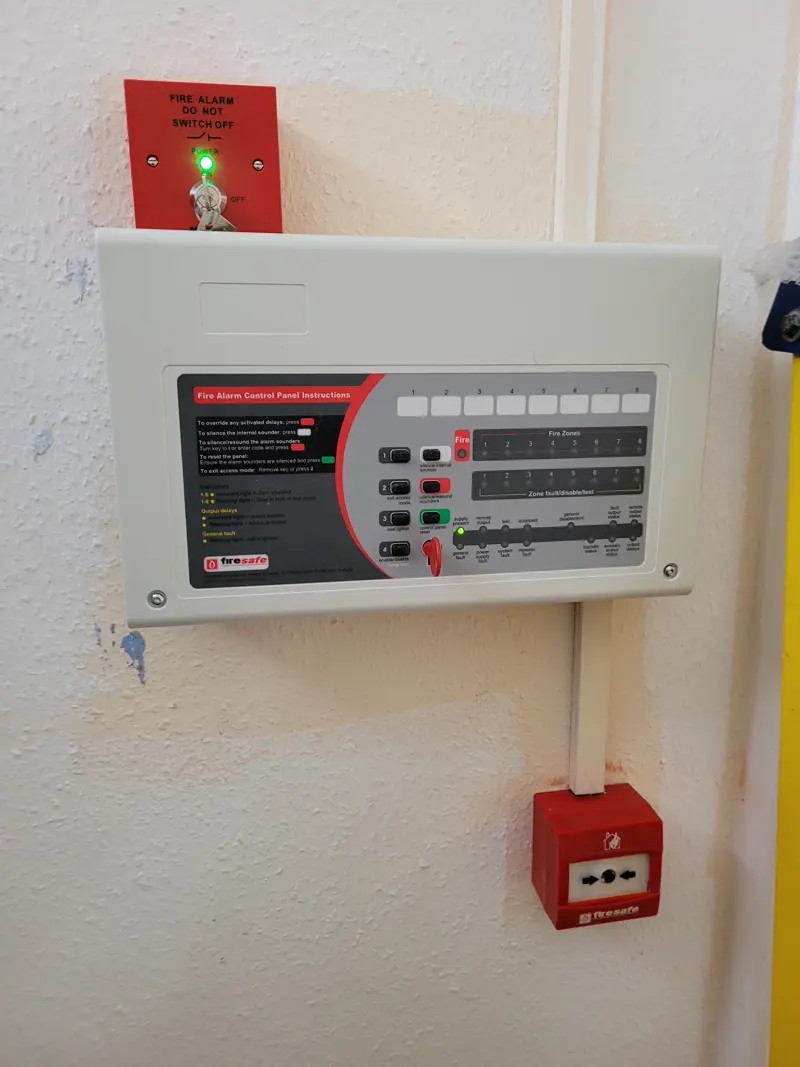
Advanced MxPro 5 addressable panels for larger buildings, C-Tec conventional panels for smaller installations. Addressable systems identify the exact detector that's activated — critical in large or multi-zone buildings where you need to know precisely where the fire is.
Sounders & Visual Alarm Devices
Wall-mounted sounders and ceiling-mounted sounder bases providing a minimum 65dB at every point in the building (75dB at bedhead level in sleeping accommodation). Visual alarm devices (VADs) installed where required for hearing-impaired occupants.
Manual Call Points
Red break-glass call points at every final exit and on every escape route as required by BS 5839. Properly positioned at 1.4m height on the opening side of the door.
Certification & Documentation
Installation certificate to BS 5839, zone chart, as-built drawings, and test records. Everything your insurer, fire risk assessor, and local fire authority need to see.
Ready to get started? Request a free site survey today.
Get a Free QuoteKey benefits
How it works
Site Assessment
We assess the building, review the fire risk assessment, determine the correct BS 5839 category, and identify any existing detection that can be retained or needs replacing.
System Design
We produce a detector layout drawing showing every device position, cable route, zone plan, and sounder coverage calculation. You approve the design before we order a single component.
Installation
Our fire alarm engineers install the panel, detectors, sounders, call points, and cabling. We use fire-resistant cable (FP200) throughout and install proper fire-rated containment.
Commissioning
Every detector is tested with approved test equipment (not a lighter held up to a smoke detector). We verify sounder levels in every room, test cause-and-effect programming, and commission the panel.
Handover & Certification
We hand over the installation certificate, zone chart, log book, and operating instructions. We walk you through the panel — how to silence alarms, reset after activation, and what different fault indicators mean.
Ongoing Maintenance
Twice-yearly service visits covering detector testing, battery checks, sounder verification, and panel diagnostics. We issue service certificates and update the log book at every visit.
Project gallery
Fire alarm, block of flats, Luton
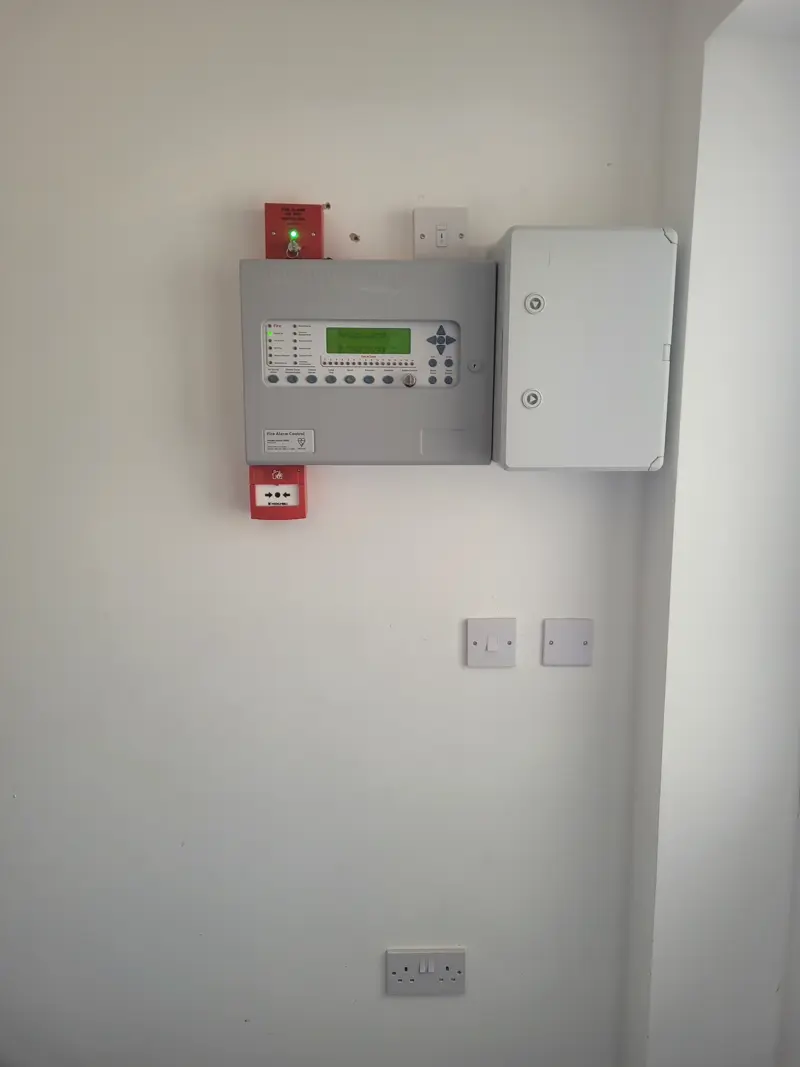
Fire alarm & intercom, Hitchin Road
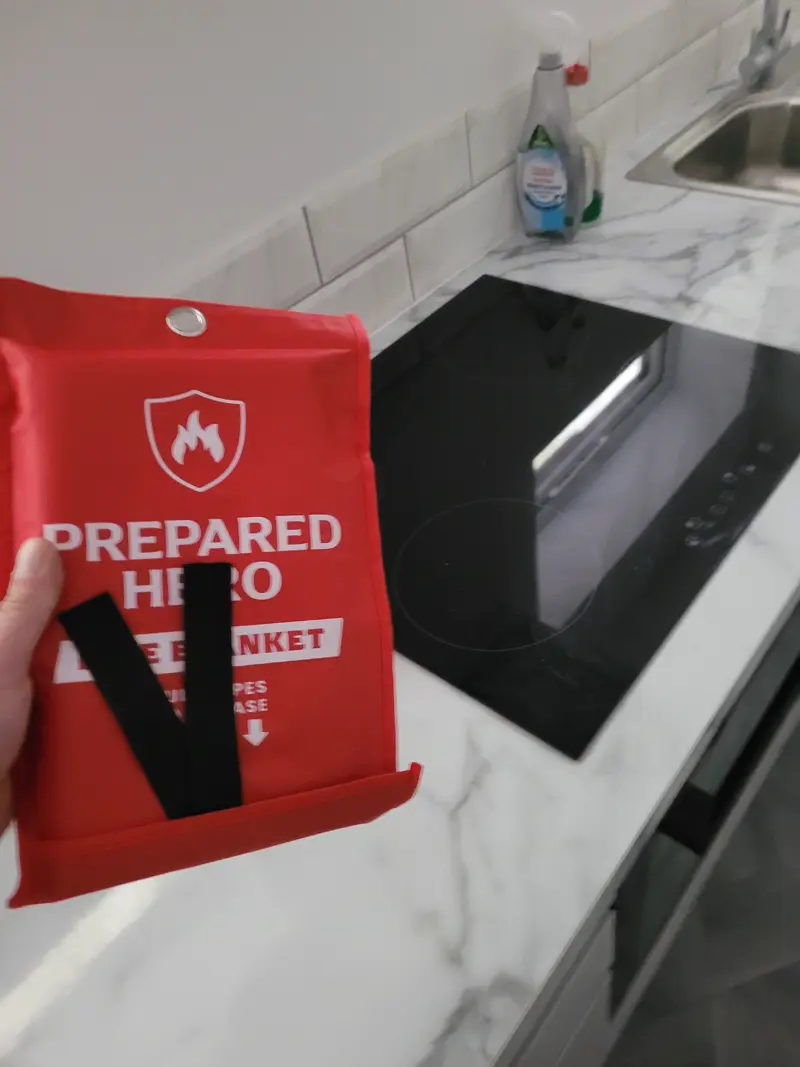
Fire alarm & intercom — view 2
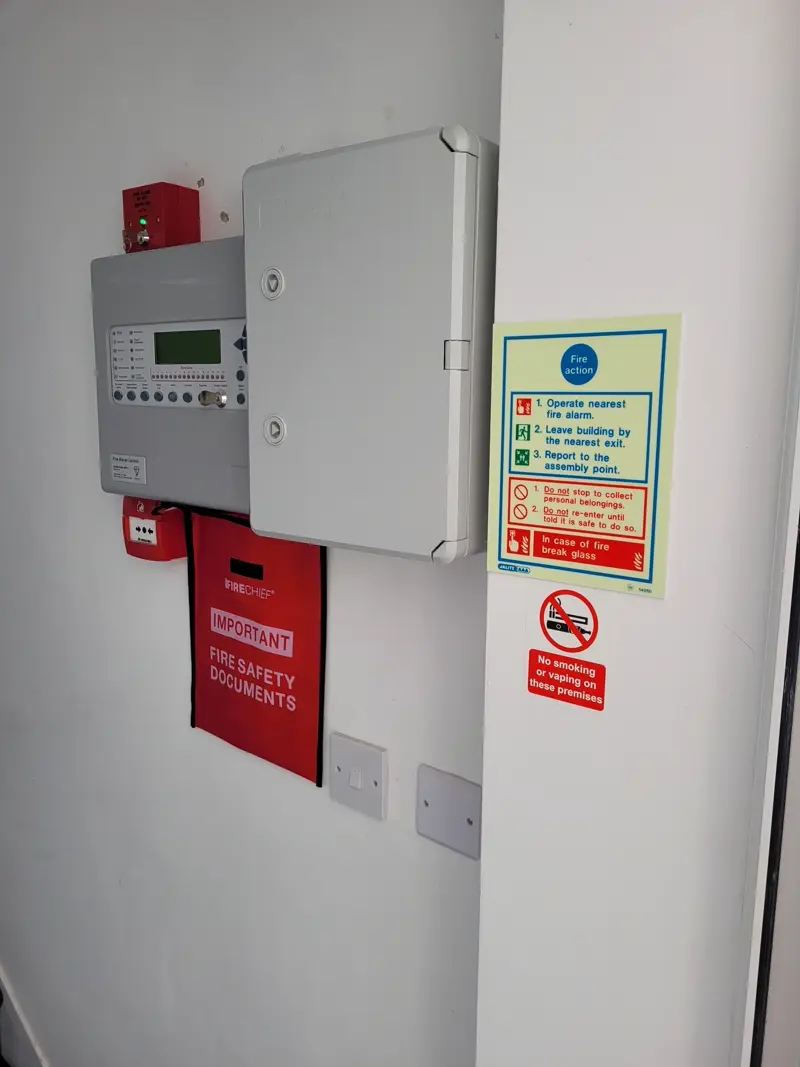
Fire alarm & intercom — view 3
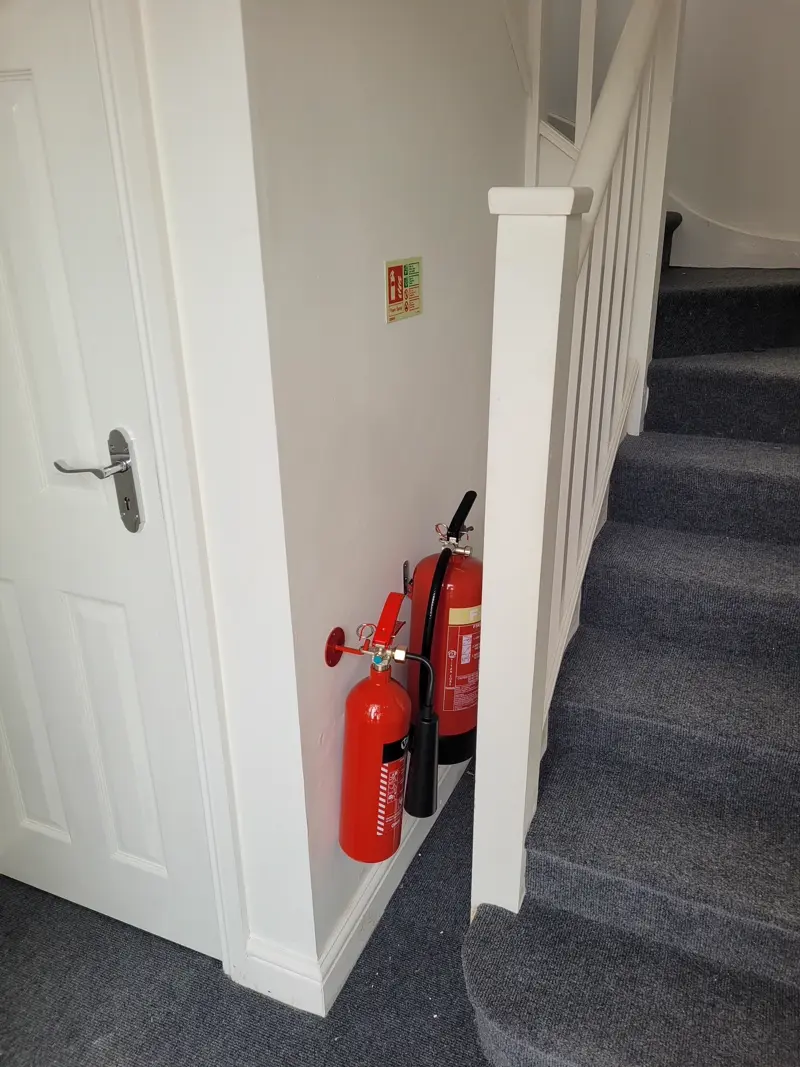
Fire alarm, intercom & extinguisher
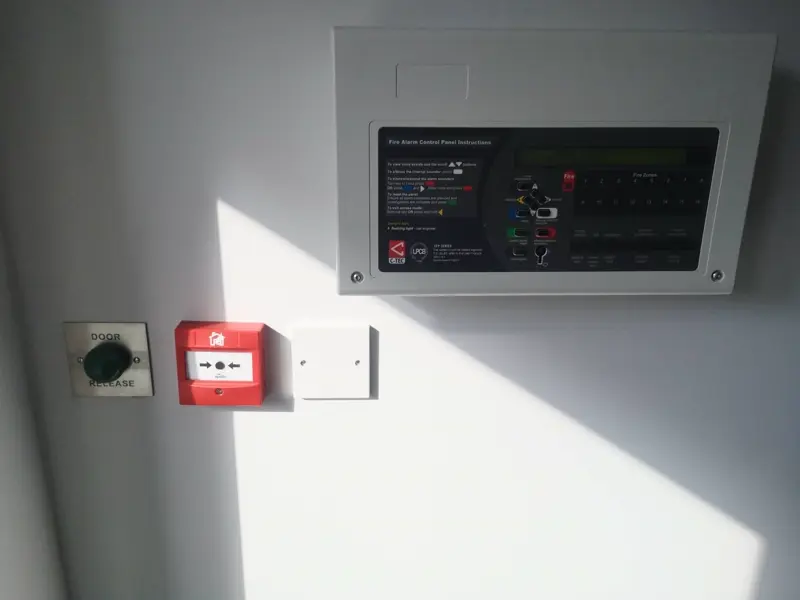
Fire alarm & AOV system, Dunstable
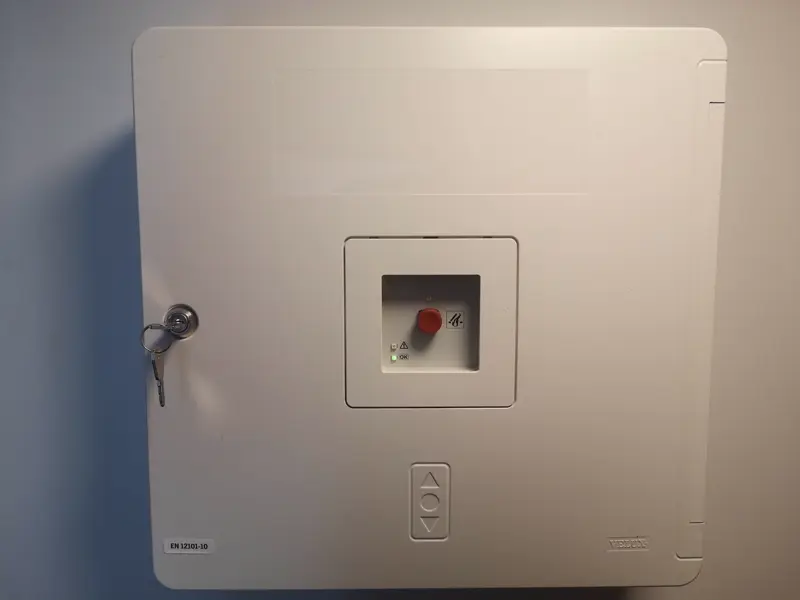
Fire alarm & AOV — view 2
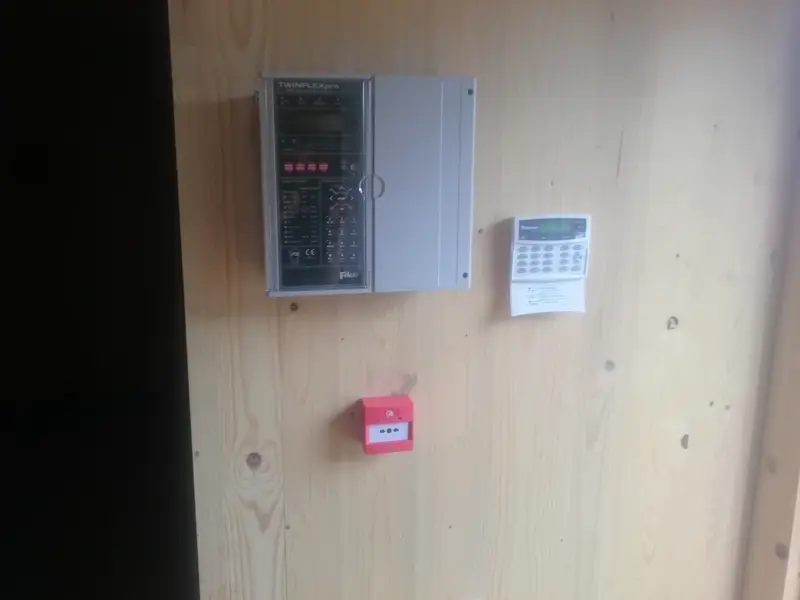
Twinflex fire panel, Dunstable
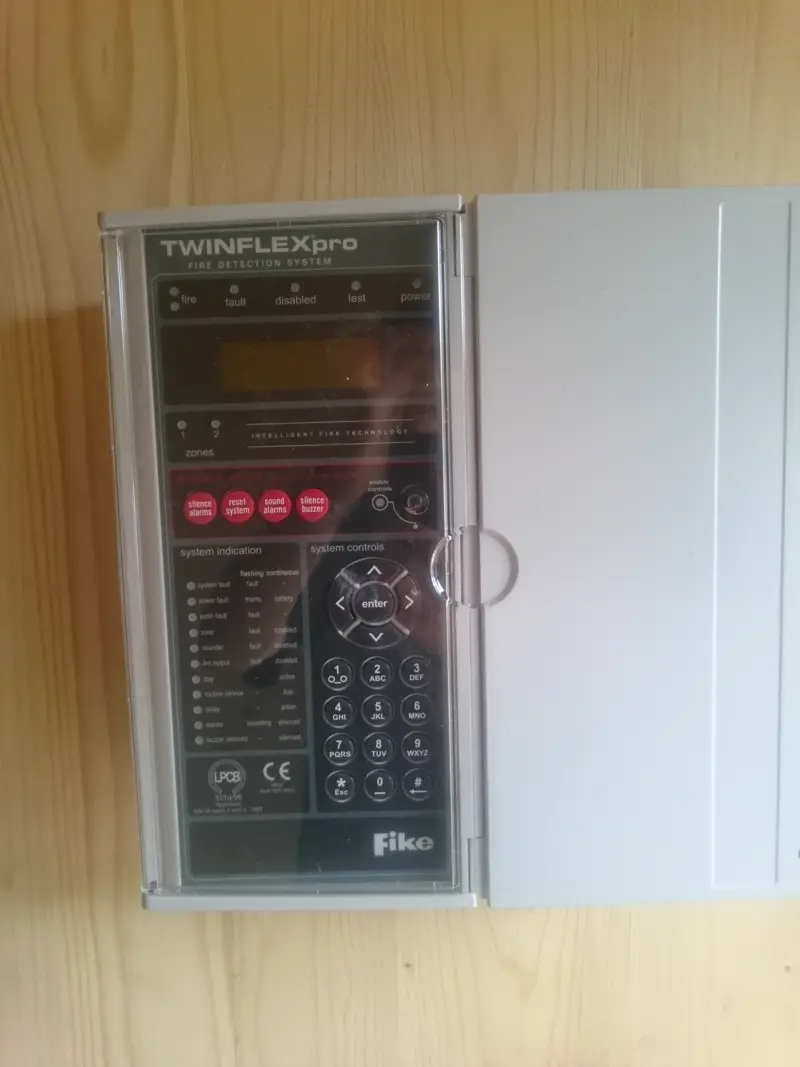
Twinflex fire panel — view 2
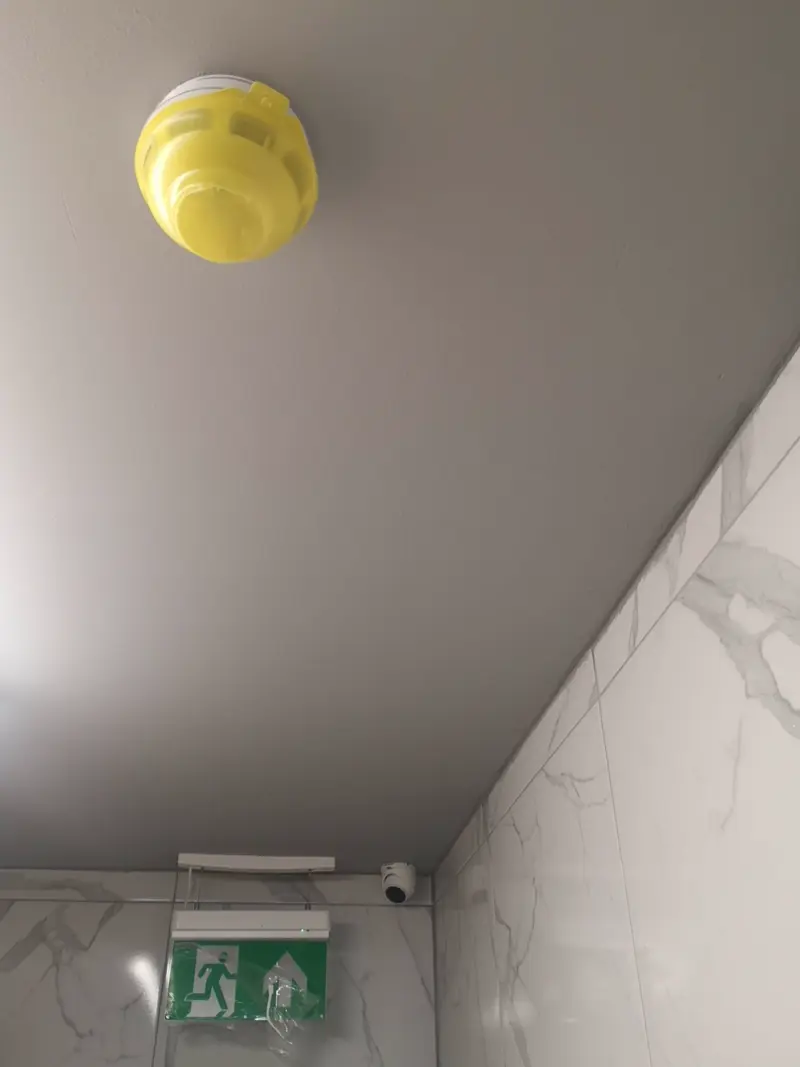
Emergency lights & fire alarm, flats
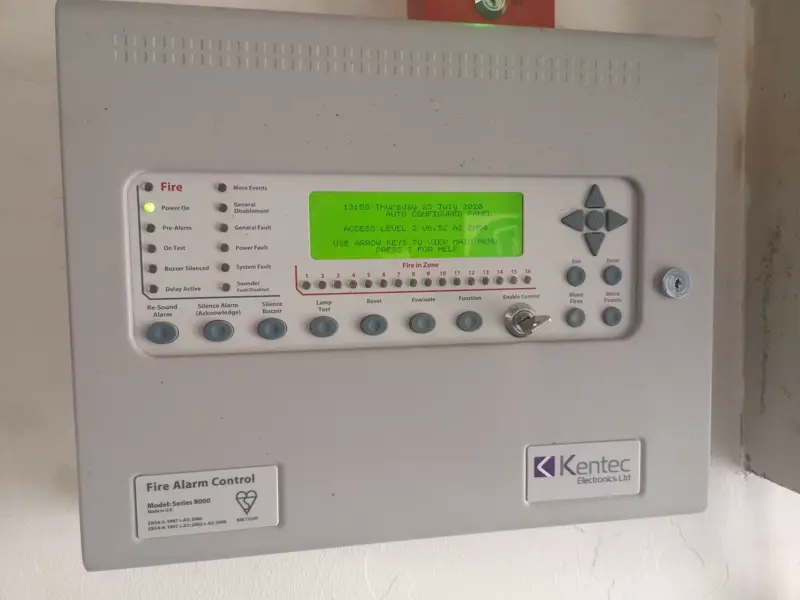
Fire alarm servicing
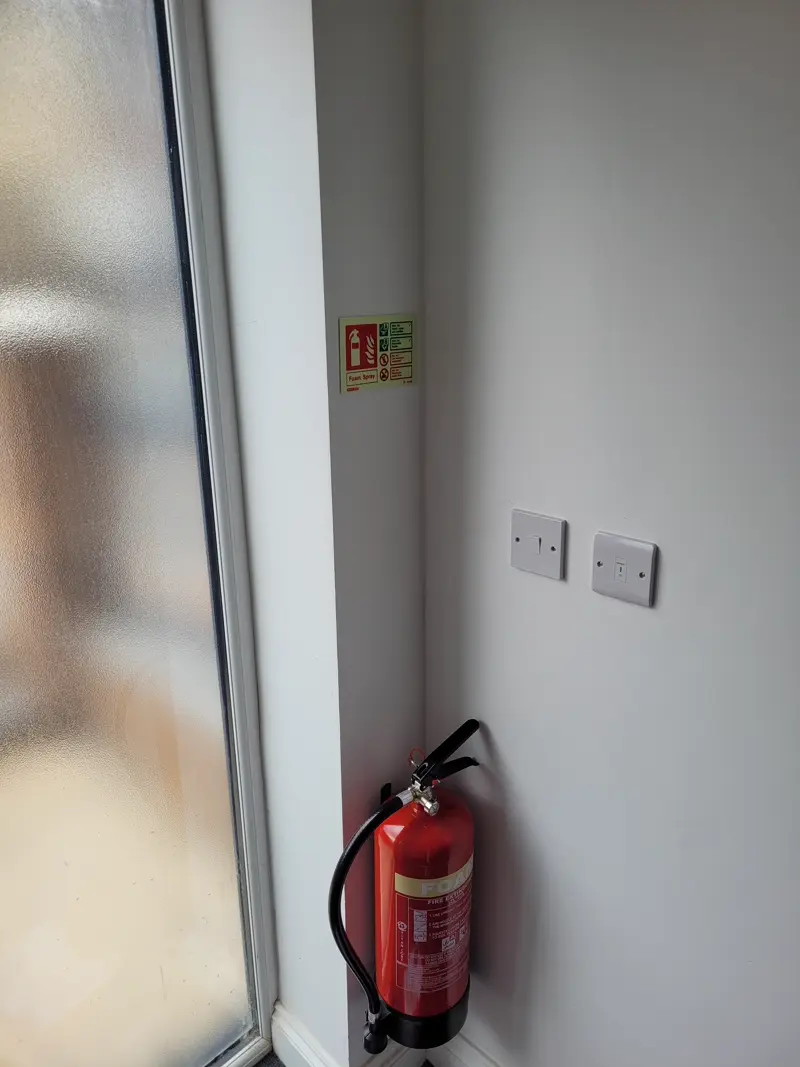
Fire extinguisher for block of flats
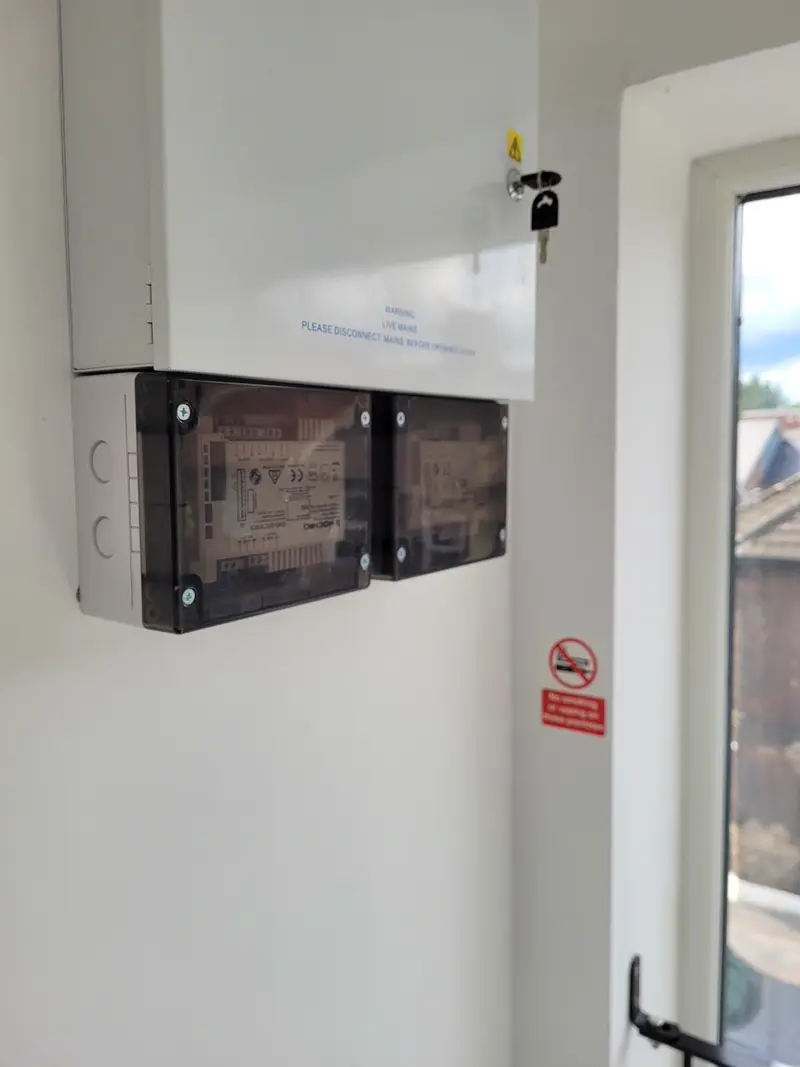
AOV system, Hitchin Road, Luton
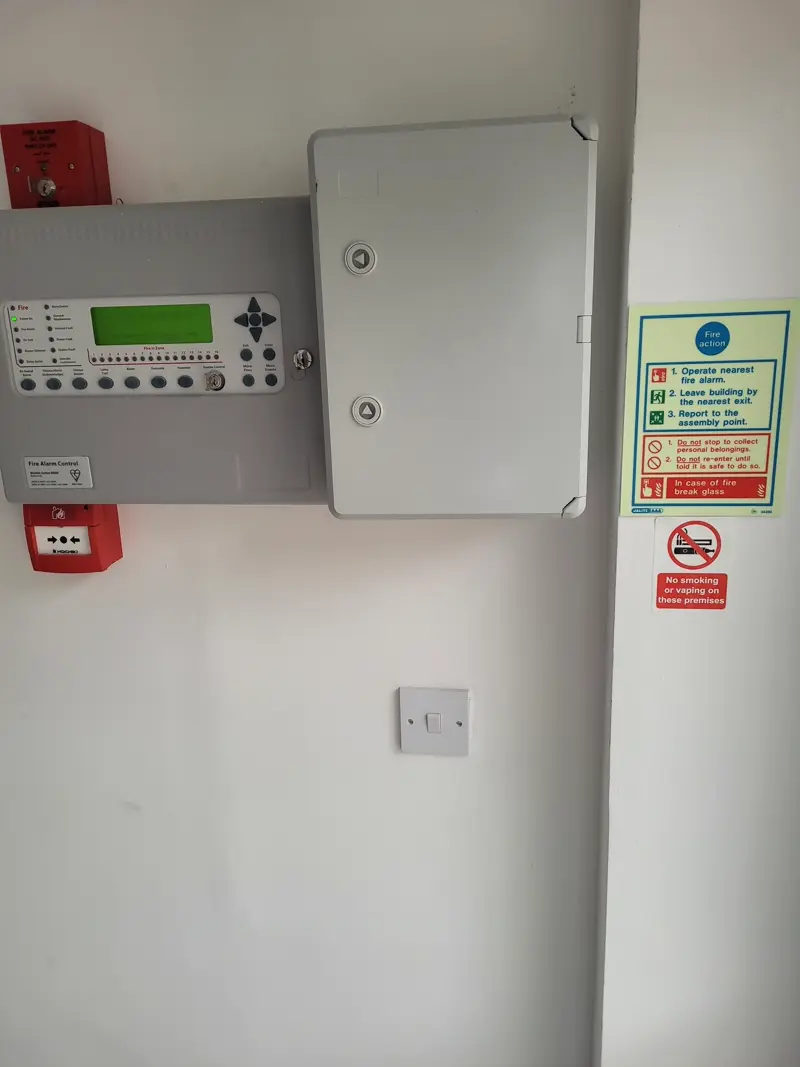
AOV system — view 2
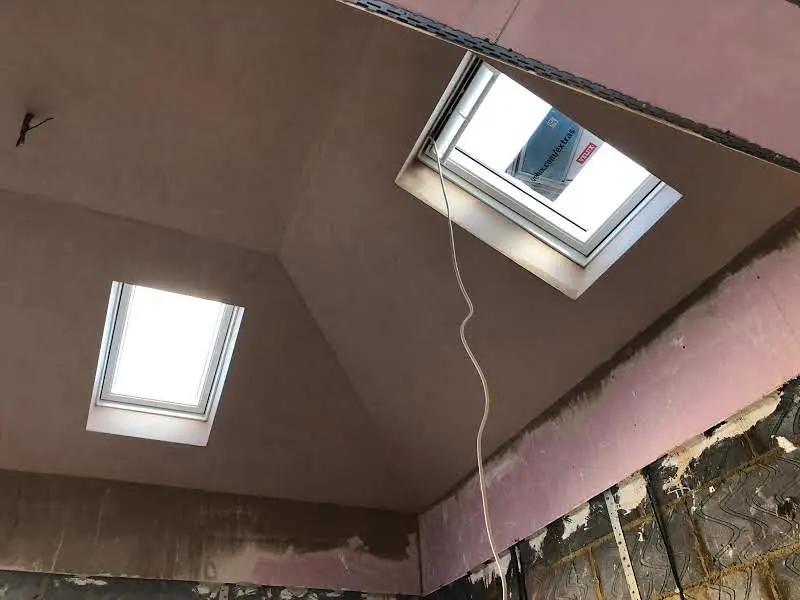
AOV window installation, Harpenden

Emergency lighting installation
Frequently asked questions
Request a Free Site Survey
One of our qualified engineers will visit your site, assess your requirements, and provide a detailed quotation - completely free.
Book a free site survey
Pick the service you need - we tailor the questions, then come back to you within 24 hours.
What happens after you contact us
We review your enquiry
A member of our team reviews your requirements and gets back to you within 24 hours.
We arrange a site survey
We schedule a convenient time to visit your site and assess your needs in person.
We prepare a quotation
You receive a clear, detailed quote with no hidden costs or obligations.
We schedule the work
Once approved, we agree a start date that works around your operations.
We provide documentation & support
On completion, you receive all certificates, reports, and ongoing support details.
Trusted by schools, care homes, warehouses, and construction sites
We work with commercial and public sector clients across Bedfordshire, Hertfordshire, Buckinghamshire, and London.
Schools & Academies
Primary schools, secondary schools, multi-academy trusts, and nurseries
Construction Sites
Active building sites, developments, and temporary site compounds
Warehouses & Industrial
Warehouses, distribution centres, factories, and industrial units
Care Homes & Healthcare
Care homes, nursing facilities, clinics, and GP surgeries
Car Garages & Workshops
MOT centres, car dealerships, vehicle workshops, and body shops
Commercial Offices
Offices, business parks, co-working spaces, and corporate HQs
Public Sector
Local authority buildings, NHS facilities, and community centres
Retail & Hospitality
Shops, restaurants, pubs, hotels, and leisure venues
Areas we cover
Get a free fire alarm survey
We'll assess your building, confirm the correct BS 5839 category, and provide a fixed-price quote — no obligation. If you have a fire risk assessment, send it over and we'll review it before the visit.
Request a free quote
Free no-obligation quote · Professional engineers · Response within 24 hours